

Boeing Aircraft

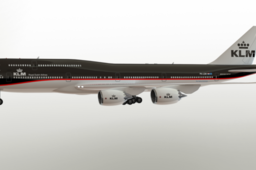
"Learn the fundamentals of Boeing aircraft design with this detailed tutorial. Covering key aspects such as aerodynamics, structural components, and engineering principles, this course will guide you through the essential concepts used in Boeing’s aircraft design and manufacturing process. Perfect for aspiring aerospace engineers and aviation enthusiasts, this tutorial provides valuable insights into the world of aviation engineering."
-
Step 1: Boeing Design
Here are the key steps typically involved in the design process for a Boeing aircraft:
- Define the Requirements
- Establish the primary goals and specifications for the aircraft, such as capacity, range, speed, fuel efficiency, and safety standards.
- Conceptual Design
- Develop initial design concepts, including the general shape and structure of the aircraft, based on the requirements. This stage may involve brainstorming and sketching potential layouts.
- Preliminary Design
- Begin detailed analysis of key components like the wings, fuselage, and engines. Aerodynamic simulations and structural calculations are performed to ensure performance and safety.
- Design Refinement
- Refine the design, considering feedback from testing and simulations. This phase involves optimizing materials, structural integrity, and overall performance.
- Engineering Analysis
- Conduct extensive analysis on the aircraft’s systems, such as propulsion, control systems, and avionics. Detailed stress tests, wind tunnel testing, and other simulations are performed.
- Prototyping
- Build a prototype or a full-scale mock-up of the aircraft. This may involve physical models, computer simulations, or both.
- Testing
- To validate the design and identify potential issues, perform rigorous testing, including wind tunnel tests, flight tests, and safety tests.
- Production Design
- Finalize detailed manufacturing plans, ensuring that all components are designed for efficient and cost-effective production.
- Manufacturing and Assembly
- Begin the manufacturing process, with parts being fabricated and assembled. This step includes quality control to ensure that all parts meet safety and performance standards.
- Certification
- Ensure the aircraft meets all regulatory requirements. Before it is cleared for commercial use, the design must be approved by aviation authorities like the FAA or EASA.
- Delivery and Operation
- After successful testing and certification, the aircraft is delivered to the airline or customer. It enters service, and ongoing maintenance and design upgrades may occur as needed.
This general design process involves collaboration between engineers, designers, and regulatory bodies to ensure the aircraft meets all required standards and performs as expected in real-world conditions.

