

i need software which can perform CRUSHING SIMULATION

Hello guys,
I hope you all are doing great.
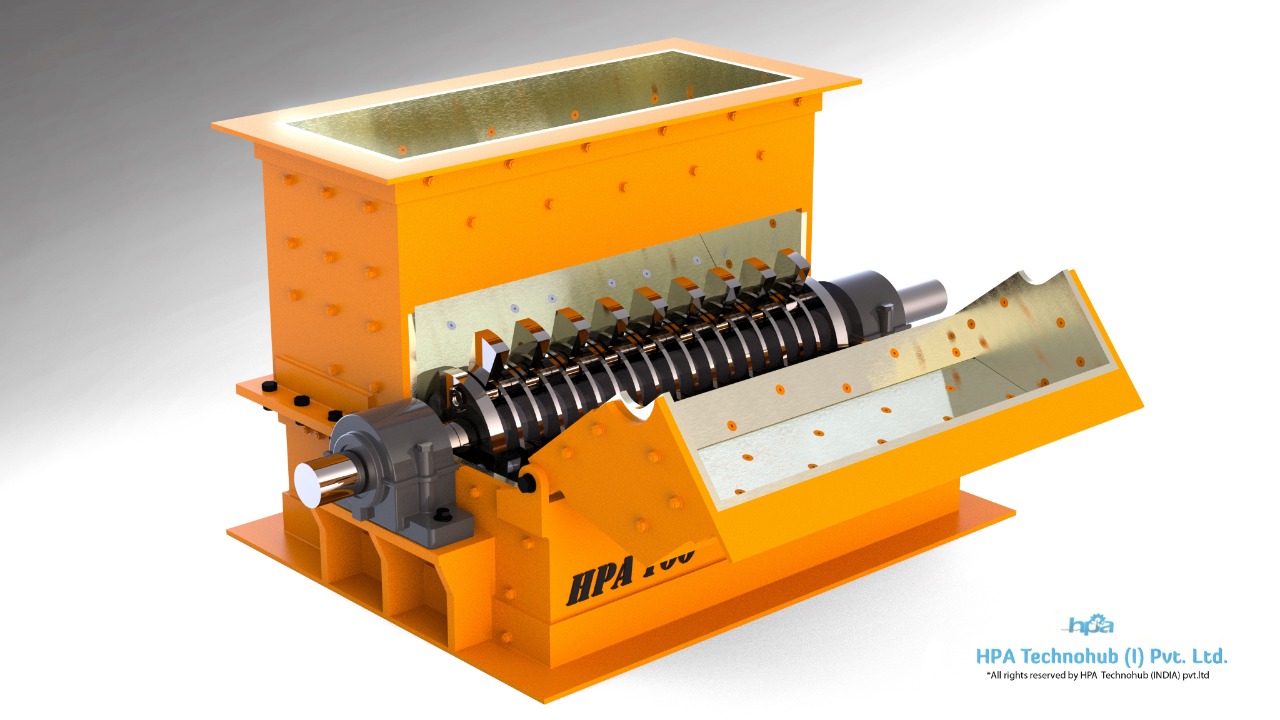
I designed a beer bottle crusher. which is contain hammers in it, now I need a software which can perform bottle crushing and for your information machine must produce 18Ton per hour job. The software must do multibody dynamics with crushing simulation or I need co-simulation software. I did all job in SOLIDWORKS.
2 Answers

YOU CAR USE ANSYS EXPLICIT DYNACIS MODULE TO DO THE CRUSHING, OR CRASHING SIMULATIONS.
SEE THIS LINK : https://www.youtube.com/watch?v=ZWZiblPIf_E

If the reason you are looking at a simulation is to see if the machine you have modeled can produce 18T per hour I can see it being a big waste of time. One of the products waste glass is turned into in this part of the world is usually glass powder for "sand blasting". In New Zealand industrial health and safety regulations do not permit real sand to be used anymore.
If you wish your machine to be capable of producing 18T per hour, this specification is used to size the machine as you design it. The start point is to work out the volume of the 18 tonnes of glass waste that you intend to pulverize in your hammer mill in 1 hour takes up and then work out the rate that you need to feed this though your machine to achieve this output. As the product flows through the machine the volume of 18 tonnes of will become smaller. The last part of the machine being the screen past the hammers that regulates the size of the grit produced. All of these parts have to be sized so that you can physically get at least 18 T per hour of product through the machine. I myself would add 20% to the 18T per hour as a design figure.
This is a complex process to simulate, it will be difficult to set up, require lots of computer power to process. This will cost much time to do and is the person paying for this will need deep pockets. Getting reliable results would be another problem, the glass becomes like a fluid once it is smashed into smaller and smaller pieces and coming up with results that come close to matching actual finished machine performance would be hard to achieve.

